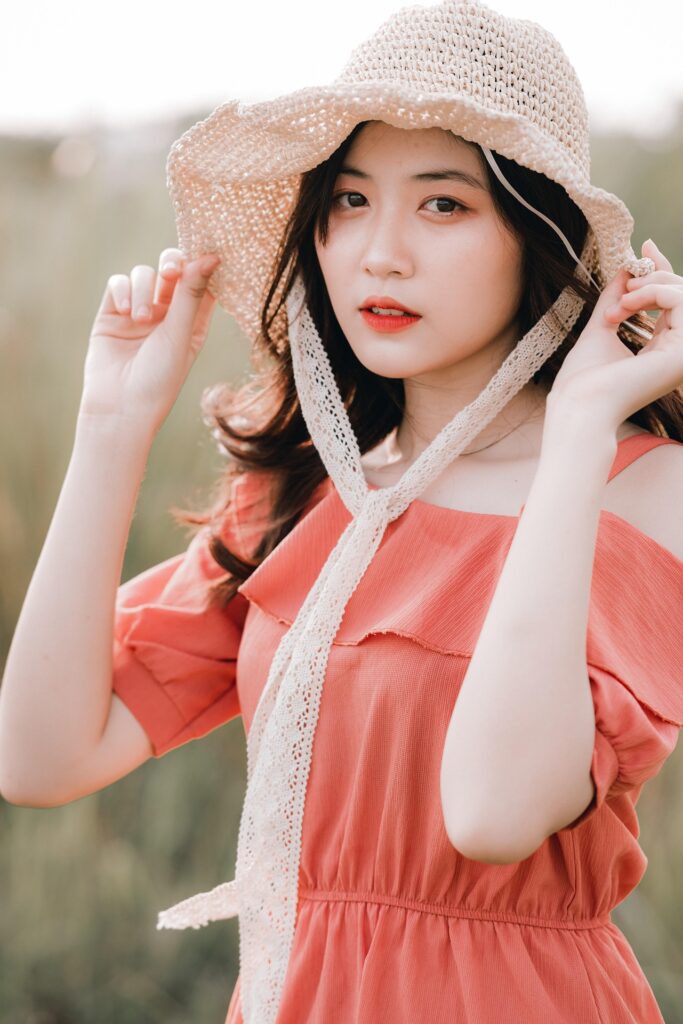
Fashion as Personal Identity, Not Social Status
Introduction
For centuries, clothing has been used as a way to signal power, wealth, and social rank. From royal robes and luxury fabrics to designer logos and trend-driven wardrobes, fashion has often been linked to status. In modern society, this idea still exists. Many people feel pressure to dress a certain way to appear successful, wealthy, or socially accepted.
However, fashion is slowly shifting away from this outdated mindset. Today, more individuals are embracing fashion as a form of self-expression rather than a symbol of class or money. People are choosing comfort over labels, authenticity over trends, and meaning over appearance. This change reflects a deeper understanding of fashion as personal identity, not social status.
This blog explores how fashion can represent individuality, culture, emotions, and values instead of wealth or hierarchy. It also discusses the harmful effects of status-driven fashion, the rise of conscious styling, and how embracing personal style can lead to confidence and freedom. By the end, you will see why true fashion begins with identity, not comparison.
Understanding Fashion Beyond Social Status
The Traditional View of Fashion and Status
Historically, fashion has been used to separate social classes. Certain colors, fabrics, and styles were reserved for the elite, while others were associated with working-class people. Clothing became a visual marker of privilege.
Even today, this mindset exists through:
Luxury brands symbolizing wealth
Trends set by celebrities and elites
Judging people based on what they wear
This approach turns fashion into a competition instead of a creative outlet.
Why Status-Based Fashion Is Limiting
When fashion revolves around status, it creates pressure and insecurity. People may feel the need to spend beyond their means or hide their true preferences to fit in.
Status-driven fashion often leads to:
Comparison and self-doubt
Financial stress
Loss of individuality
Shallow judgments
Fashion should empower, not restrict.
Fashion as a Reflection of Personal Identity
What Does Personal Identity Mean in Fashion?
Personal identity includes values, beliefs, culture, emotions, experiences, and personality. When fashion reflects identity, clothing becomes a language that communicates who you are without words.
Fashion as identity means:
Dressing according to personal comfort
Choosing styles that feel authentic
Expressing mood, creativity, and beliefs
This approach prioritizes self-awareness over social approval.
Clothing as a Form of Self-Expression
Just like art or music, fashion allows people to express emotions and ideas. A person’s outfit can reflect confidence, calmness, rebellion, tradition, or simplicity.
For example:
Minimalist clothing may reflect clarity and focus
Bright colors can show optimism and energy
Traditional wear may express cultural pride
These choices have meaning beyond price tags.
The Psychological Impact of Identity-Based Fashion
Boosting Confidence and Self-Acceptance
When people dress according to their identity, they feel more confident and comfortable. They stop seeking validation and start trusting their own choices.
Benefits include:
Improved self-esteem
Reduced anxiety about appearance
Stronger sense of self
Confidence grows when clothing aligns with inner values.
Reducing Social Pressure and Comparison
Status-focused fashion encourages constant comparison. Identity-focused fashion reduces this pressure by shifting attention inward.
This mindset helps people:
Appreciate uniqueness
Stop chasing trends
Avoid unrealistic standards
Fashion becomes personal, not competitive.
Cultural Identity and Fashion
Fashion as a Cultural Story
Clothing often carries cultural history and meaning. Traditional garments, patterns, and fabrics reflect heritage, values, and community identity.
Examples include:
Handwoven textiles
Regional embroidery
Traditional silhouettes
Wearing such clothing is not about status but about honoring roots.
Blending Tradition with Modern Style
Many people combine traditional elements with modern fashion to express both heritage and individuality.
This fusion:
Keeps culture alive
Encourages creativity
Resists uniform global trends
It proves that fashion identity can be both personal and cultural.
Gender, Fashion, and Identity
Breaking Gender Norms Through Style
Fashion has long enforced strict gender roles. Certain colors, cuts, and styles were labeled “male” or “female.” Today, many individuals challenge these norms.
Identity-based fashion allows:
Freedom of expression
Gender-neutral styling
Personal comfort over labels
This shift supports inclusivity and self-acceptance.
Fashion as a Tool for Empowerment
For many people, especially women and marginalized groups, fashion becomes a way to reclaim identity and power.
Empowering fashion choices may include:
Dressing for oneself, not others
Rejecting unrealistic beauty standards
Using style to express independence
Fashion becomes a voice, not a rulebook.
The Role of Media and Social Expectations
How Media Shapes Fashion Perception
Media often promotes fashion as a symbol of success. Influencers, advertisements, and celebrities showcase expensive lifestyles that may feel unattainable.
This creates:
Unrealistic expectations
Pressure to follow trends
Confusion between value and appearance
As a result, fashion loses its personal meaning.
Reclaiming Control Over Personal Style
To shift away from status-driven fashion, individuals must question what they see online.
Helpful steps include:
Limiting comparison on social media
Following diverse style inspirations
Defining personal style goals
Awareness leads to freedom.
Sustainable Fashion and Identity
Moving Away from Fast Fashion Status Symbols
Fast fashion often encourages buying more to stay “in style.” This cycle focuses on appearance rather than identity.
Problems with fast fashion include:
Environmental damage
Poor labor conditions
Short-lived trends
Identity-based fashion values quality and meaning instead.
Conscious Choices Reflect Personal Values
Sustainable fashion allows people to align clothing with ethical beliefs.
This includes:
Supporting local artisans
Choosing durable fabrics
Buying less but better
Fashion becomes a reflection of values, not wealth.
Fashion and Economic Reality
Style Is Not Dependent on Money
Personal style does not require expensive brands. Creativity, confidence, and understanding matter more than budget.
Affordable fashion can still be expressive through:
Thrift shopping
Mixing old and new pieces
DIY customization
Identity shines regardless of price.
Redefining What “Good Dressing” Means
Good dressing is often confused with expensive dressing. In reality, good style means authenticity, comfort, and intention.
True style focuses on:
Fit and comfort
Personal taste
Practicality
This definition includes everyone.
Fashion as Emotional Expression
Dressing According to Mood and Experience
People often dress based on emotions. Clothing can offer comfort during difficult times or amplify joy during celebrations.
Examples include:
Soft fabrics for emotional comfort
Bold outfits for confidence
Simple styles for peace of mind
Fashion responds to inner states, not social ranks.
Healing and Identity Through Style
For some, fashion becomes part of healing and self-discovery. After major life changes, people may redefine their style.
This process helps in:
Rebuilding confidence
Expressing growth
Accepting change
Fashion evolves with identity.
The Power of Personal Style Over Trends
Trends Come and Go, Identity Remains
Fashion trends change quickly, but personal identity stays relatively stable. Chasing trends can disconnect people from their true preferences.
Identity-based fashion:
Reduces waste
Encourages long-term style
Builds consistency
Style becomes timeless rather than temporary.
Creating a Signature Look
Many people develop a signature style that reflects who they are. This style may change slowly but remains rooted in identity.
A signature style offers:
Ease in dressing
Strong self-image
Recognition without effort
It reflects self-knowledge.
Social Acceptance and Individual Fashion Choices
Fear of Judgment and Standing Out
Many people fear judgment when dressing differently. Society often rewards conformity.
However, personal identity grows through courage.
Overcoming fear involves:
Accepting uniqueness
Understanding personal values
Letting go of approval-seeking
Authenticity attracts respect over time.
Encouraging Diversity in Fashion
When individuals express themselves freely, fashion becomes more inclusive and diverse.
This diversity:
Challenges stereotypes
Builds empathy
Celebrates differences
Fashion becomes a shared human experience.
Teaching the Next Generation About Fashion Identity
Fashion Education Beyond Trends
Teaching young people about fashion should include identity, ethics, and self-expression, not just trends.
Important lessons include:
Dressing for comfort and confidence
Respecting cultural differences
Valuing creativity over brands
This builds healthier relationships with fashion.
Role of Parents and Society
Parents and communities influence how children view fashion.
Positive guidance includes:
Avoiding appearance-based judgment
Encouraging individuality
Separating worth from clothing
This support shapes confident individuals.
The Future of Fashion: Identity Over Status
A Shift Toward Authenticity
The future of fashion points toward authenticity, sustainability, and inclusivity. People are questioning old standards and redefining style.
This shift includes:
Personalized fashion
Ethical production
Cultural appreciation
Fashion becomes more human-centered.
Technology and Personal Style
Technology allows customization and creative expression without status pressure.
Innovations include:
Custom-fit clothing
Digital fashion design
Second-hand marketplaces
These tools support identity-driven fashion choices.
Conclusion: Choose Identity Over Impression
Fashion is more than fabric and trends. It is a powerful form of communication that reflects who we are, where we come from, and what we believe. When fashion becomes a race for social status, it loses its soul. But when it becomes an expression of identity, it empowers individuals and celebrates diversity.
Understanding fashion as personal identity, not social status allows people to dress with confidence, authenticity, and purpose. It removes pressure, encourages creativity, and builds self-respect.
Call to Action:
Take a moment to reflect on your wardrobe. Ask yourself whether your clothes represent who you truly are or who you feel pressured to be. Start choosing fashion that aligns with your identity, values, and comfort. When you dress for yourself, fashion becomes freedom—not competition.