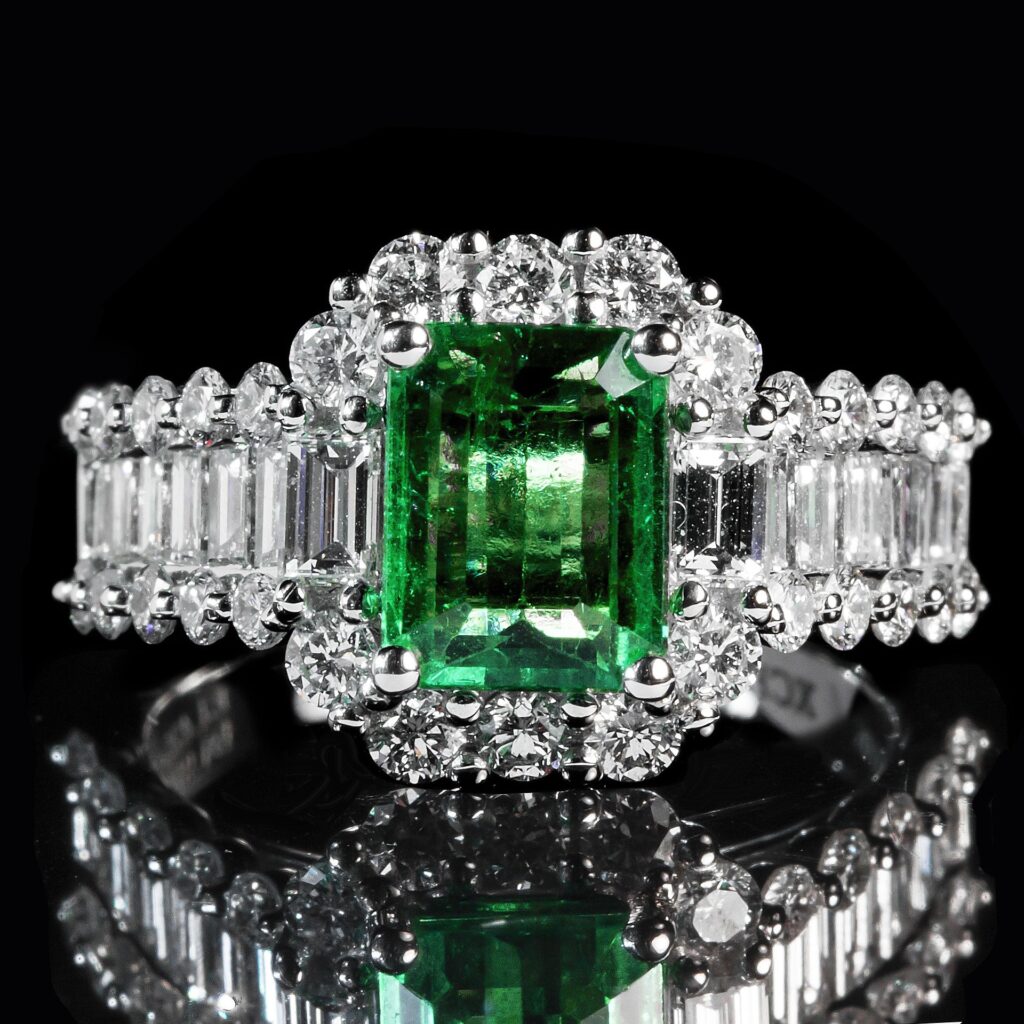
Jewellery as a Symbol of Status and Power
Introduction: More Than Ornament, a Statement of Authority
From ancient crowns and royal necklaces to modern diamond rings and luxury watches, jewellery has always been more than decoration. Across civilizations and centuries, it has served as a powerful symbol—of wealth, authority, social rank, and influence. A single piece of jewellery can communicate power without words, distinguishing rulers from subjects, elites from commoners, and leaders from followers.
Humans have adorned themselves with jewellery since the earliest societies. Whether made from shells, gold, gemstones, or rare metals, jewellery has consistently carried meaning beyond beauty. It has marked kingship, divine favor, military victory, marital alliances, and economic strength. Even today, jewellery continues to reflect status and power, though its forms and meanings have evolved.
This article explores jewellery as a symbol of status and power in depth. We will trace its historical roots, examine its cultural significance, and analyze its role in modern society. Written in a natural, engaging, and easy-to-read style, this comprehensive guide reveals why jewellery remains one of humanity’s most enduring symbols of authority and prestige.
Understanding Jewellery Beyond Aesthetics
What Is Jewellery?
Jewellery includes decorative items worn on the body, such as rings, necklaces, bracelets, earrings, crowns, brooches, and watches. These items may be crafted from precious metals, gemstones, or other materials valued by society.
While jewellery often enhances appearance, its deeper function lies in symbolism. Throughout history, jewellery has conveyed messages about identity, wealth, power, and belonging.
Why Humans Associate Jewellery With Power
Power and status are abstract concepts. Jewellery makes them visible. Rare materials, skilled craftsmanship, and exclusive designs signal access to resources and authority.
Jewellery communicates:
Economic strength
Social hierarchy
Political authority
Cultural or religious importance
Because not everyone can afford or access valuable jewellery, it naturally becomes a marker of privilege.
Historical Origins of Jewellery as a Status Symbol
Early Civilizations and Social Hierarchies
The use of jewellery dates back thousands of years. Archaeological evidence shows that ancient societies used jewellery to mark rank and authority.
In early civilizations:
Leaders wore rare and elaborate ornaments
Common people used simpler materials
Jewellery differentiated social classes
This distinction reinforced power structures within society.
Ancient Egypt: Divine Authority and Gold
In ancient Egypt, jewellery symbolized both earthly and divine power. Gold, believed to be the flesh of the gods, was reserved for pharaohs and the elite.
Key features included:
Gold crowns and collars
Gemstone-encrusted amulets
Symbolic designs representing gods
Jewellery reinforced the idea that rulers were chosen by divine forces.
Jewellery and Power in Ancient Empires
Mesopotamia and the Birth of Elite Ornamentation
In Mesopotamia, jewellery reflected wealth and political influence. Kings and nobles wore elaborate ornaments made of gold, lapis lazuli, and silver.
These items signified:
Control over resources
Trade dominance
Political authority
Jewellery became a visual language of power.
Greece and Rome: Authority, Citizenship, and Rank
In ancient Greece and Rome, jewellery also carried political meaning. Certain rings or ornaments were restricted to specific classes.
For example:
Signet rings symbolized authority and legal power
Laurel crowns represented victory and leadership
Military decorations marked rank and honor
Jewellery reinforced social order and political structure.
Royalty, Monarchy, and Jewellery
Crowns as Ultimate Symbols of Power
Crowns are perhaps the most recognizable symbols of authority. Across cultures, crowns represent sovereignty, legitimacy, and control.
Crowns symbolize:
The right to rule
Continuity of power
National identity
Their materials—gold, jewels, and rare stones—emphasize exclusivity and supremacy.
Royal Jewels and Political Influence
Royal families have historically used jewellery to display wealth and influence. Crown jewels often include priceless gems passed down through generations.
These collections serve to:
Showcase national wealth
Reinforce royal legitimacy
Demonstrate political stability
Jewellery thus becomes part of state power.
Jewellery in Religious and Spiritual Power
Sacred Ornaments and Divine Status
Religious leaders often wear specific jewellery to signify spiritual authority. These items distinguish them from followers and represent sacred roles.
Examples include:
Crosses and rosaries
Rings worn by religious leaders
Gemstone-adorned ceremonial objects
Jewellery bridges the human and divine, reinforcing spiritual power.
Rituals and Symbolic Meaning
In many cultures, jewellery plays a role in rituals marking status changes, such as coronations, weddings, or initiations.
These rituals use jewellery to:
Legitimize authority
Mark transitions in social rank
Strengthen cultural traditions
Symbolism enhances the power of ceremony.
Jewellery as a Marker of Wealth and Economic Power
Rare Materials and Economic Control
The value of jewellery often lies in its materials. Gold, diamonds, and precious stones are limited resources, making them symbols of economic strength.
Ownership of such materials signals:
Access to wealth
Trade influence
Financial security
Historically, only the powerful could afford such luxury.
Jewellery as Portable Wealth
Jewellery has also served as a form of portable wealth. Unlike land or property, jewellery can be worn, transported, or hidden.
This function made jewellery important for:
Royal families
Merchants
Nobility during times of conflict
Economic power and jewellery have always been closely linked.
Cultural Interpretations of Jewellery and Power
South Asian Traditions
In South Asian cultures, jewellery represents wealth, family status, and social standing. Gold jewellery, in particular, holds deep cultural significance.
It symbolizes:
Family honor
Economic security
Social respect
Bridal jewellery often reflects the family’s status within the community.
African and Indigenous Cultures
In many African and indigenous societies, jewellery signifies leadership, age, and tribal authority.
Beads, metals, and symbolic designs indicate:
Social rank
Spiritual roles
Community responsibilities
Jewellery communicates power within cultural contexts.
Gender, Jewellery, and Power Dynamics
Jewellery and Male Authority
Historically, jewellery was not limited to women. Men in positions of power wore rings, crowns, and medals.
Examples include:
Kings wearing signet rings
Warriors adorned with medals
Leaders displaying ceremonial ornaments
Jewellery reinforced masculine authority and dominance.
Jewellery and Female Power
For women, jewellery has symbolized both wealth and influence. Queens, noblewomen, and elite figures used jewellery to assert status in male-dominated societies.
Jewellery allowed women to:
Display family power
Assert identity
Exercise social influence
Even today, jewellery can represent independence and success.
Jewellery as Political Symbolism
Diplomatic Gifts and Alliances
Throughout history, jewellery has been exchanged as diplomatic gifts. These items symbolize alliances, respect, and political ties.
Such exchanges demonstrate:
Mutual recognition
Economic strength
Strategic relationships
Jewellery becomes a tool of diplomacy.
National Identity and Power
Some jewellery pieces symbolize national pride and political authority. Regalia worn by leaders reflect state power and cultural heritage.
These symbols reinforce political legitimacy.
Modern Society: Jewellery and Status Today
Luxury Brands and Social Status
In modern times, luxury jewellery brands have replaced royal exclusivity with consumer prestige. Designer jewellery signals wealth and social standing.
Luxury jewellery represents:
Financial success
Social recognition
Personal achievement
Brand names now carry symbolic power.
Jewellery in Corporate and Social Spaces
Even in professional settings, jewellery can indicate status. Watches, rings, and subtle accessories often signal rank or success.
Jewellery remains a silent communicator of power.
Psychological Meaning of Jewellery and Power
Why People Use Jewellery to Signal Status
Humans naturally seek recognition and belonging. Jewellery helps individuals express success and authority without words.
Psychological reasons include:
Desire for validation
Expression of identity
Social comparison
Jewellery satisfies both personal and social needs.
Confidence and Self-Perception
Wearing powerful symbols can boost confidence. Jewellery associated with success reinforces self-belief and authority.
This psychological effect strengthens its role as a status symbol.
Jewellery, Media, and Celebrity Culture
Celebrities as Modern Royalty
Celebrities often influence jewellery trends. Their choices shape public perceptions of luxury and power.
Red-carpet jewellery symbolizes:
Fame and influence
Economic success
Cultural dominance
Celebrities function as modern symbols of status.
Media Amplification of Symbolism
Media coverage amplifies the association between jewellery and power. High-profile events showcase jewellery as a marker of success.
Public exposure strengthens symbolic meaning.
Ethical Shifts and Changing Meanings
Conscious Luxury and Power Redefined
Modern consumers increasingly value ethics and sustainability. Power is no longer defined solely by wealth but by values.
Ethical jewellery symbolizes:
Social responsibility
Moral leadership
Awareness and influence
Status now includes ethical consciousness.
Individual Identity Over Hierarchy
Today, jewellery also reflects personal identity rather than strict social hierarchy. People use jewellery to express beliefs, achievements, and values.
Power becomes personal rather than inherited.
The Enduring Power of Jewellery
Why Jewellery Remains Relevant
Despite societal changes, jewellery remains a powerful symbol. Its ability to combine beauty, rarity, and meaning ensures its lasting influence.
Jewellery adapts while retaining symbolic strength.
A Universal Language of Status
Across cultures and eras, jewellery communicates power instantly. Its language is understood worldwide.
This universality ensures its continued relevance.
Conclusion: Jewellery as a Timeless Symbol of Power
Jewellery has journeyed alongside humanity, reflecting social structures, beliefs, and ambitions. From ancient crowns to modern luxury brands, it has consistently symbolized status and power. While its forms have changed, its purpose remains remarkably consistent—to make authority, wealth, and influence visible.
Understanding jewellery as a symbol of status and power reveals deeper insights into human society. Jewellery does not merely decorate; it communicates identity, hierarchy, and aspiration. In today’s world, where power takes many forms, jewellery continues to evolve—bridging tradition and modernity.
Call to Action:
Next time you see or wear a piece of jewellery, look beyond its sparkle. Consider the history, symbolism, and message it carries. By understanding its deeper meaning, we gain insight into culture, power, and the human desire for recognition.