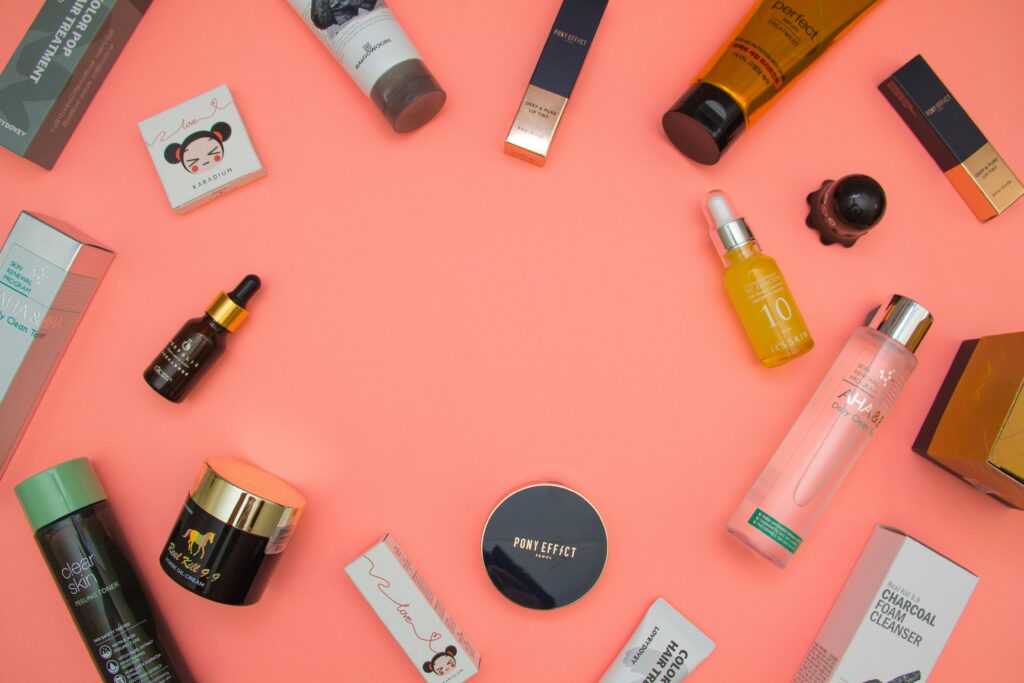
Skincare Routine According to Skin Type
Healthy, glowing skin does not happen by accident. It results from consistency, knowledge, and using the right products for your unique needs. Many people invest in expensive creams and serums but still struggle with breakouts, dryness, or irritation. The real issue often lies in following the wrong routine for their specific skin type.
Your skin is as individual as you are. What works for oily skin may damage dry skin. A product that calms sensitive skin may not provide enough hydration for combination skin. That is why understanding your skin type is the foundation of an effective skincare routine.
In this detailed guide, you will learn how to identify your skin type and build a simple, effective, and realistic routine tailored to your needs. Whether you have oily, dry, combination, sensitive, or normal skin, this guide will help you achieve healthier and more balanced skin.
Why Knowing Your Skin Type Matters
Before you build a routine, you must understand your skin.
Using the wrong products can:
Trigger acne
Increase oil production
Cause dryness and flaking
Lead to redness and irritation
Damage your skin barrier
When you choose products designed for your skin type, you:
Improve texture
Reduce breakouts
Maintain balanced hydration
Strengthen the skin barrier
Enhance natural glow
A customized skincare routine according to skin type saves money, time, and frustration.
How to Identify Your Skin Type
If you are unsure about your skin type, try this simple test:
Wash your face with a gentle cleanser.
Pat dry.
Do not apply any products.
Wait for one hour.
Observe how your skin feels and looks.
Shiny all over? Likely oily.
Tight and flaky? Dry.
Oily in T-zone but dry on cheeks? Combination.
Red, itchy, or irritated? Sensitive.
Comfortable, balanced, and smooth? Normal.
Now let’s explore each skin type in detail.
Skincare Routine for Oily Skin
Oily skin produces excess sebum. While sebum protects the skin, too much can clog pores and cause acne.
Characteristics of Oily Skin
Shiny appearance
Enlarged pores
Frequent breakouts
Blackheads and whiteheads
The goal is to control oil without stripping the skin.
Morning Routine for Oily Skin
1. Gentle Foaming Cleanser
Use a gel or foaming cleanser that removes excess oil without over-drying. Avoid harsh soaps.
2. Alcohol-Free Toner
Choose a toner with ingredients like niacinamide or witch hazel. This helps tighten pores and control shine.
3. Lightweight Serum
Look for:
Niacinamide
Salicylic acid
Zinc
These ingredients regulate oil and reduce breakouts.
4. Oil-Free Moisturizer
Many people with oily skin skip moisturizer. That is a mistake. Use a lightweight, non-comedogenic moisturizer.
5. Sunscreen (Matte Finish)
Use a gel-based or mattifying sunscreen with SPF 30 or higher.
Night Routine for Oily Skin
Cleanser (double cleanse if wearing makeup)
Exfoliate 2–3 times a week with salicylic acid
Light serum for acne control
Oil-free moisturizer
Avoid heavy creams at night.
Extra Tips for Oily Skin
Do not overwash your face.
Avoid thick, greasy products.
Use blotting papers instead of washing repeatedly.
Clean makeup brushes regularly.
Skincare Routine for Dry Skin
Dry skin lacks moisture and natural oils. It often feels tight and may appear dull.
Characteristics of Dry Skin
Flaky texture
Rough patches
Tightness after washing
Fine lines more visible
The goal is to hydrate and repair the skin barrier.
Morning Routine for Dry Skin
1. Cream-Based Cleanser
Avoid foaming cleansers. Use a hydrating cleanser with ceramides or glycerin.
2. Hydrating Toner
Choose alcohol-free toners with hyaluronic acid or rose water.
3. Hydrating Serum
Look for:
Hyaluronic acid
Vitamin E
Peptides
4. Rich Moisturizer
Use a thicker cream that locks in moisture.
5. Sunscreen (Cream-Based)
Choose a moisturizing sunscreen.
Night Routine for Dry Skin
Gentle cleanser
Hydrating serum
Facial oil (optional)
Rich night cream
Weekly Care for Dry Skin
Use a hydrating mask once a week.
Avoid strong exfoliants.
Use mild exfoliation only once weekly.
Consistency is key in a skincare routine for dry skin.
Skincare Routine for Combination Skin
Combination skin can be tricky. Some areas are oily while others are dry.
Characteristics of Combination Skin
Oily T-zone (forehead, nose, chin)
Dry or normal cheeks
Occasional breakouts
The goal is balance.
Morning Routine for Combination Skin
1. Gentle Cleanser
Use a mild gel cleanser that does not strip moisture.
2. Balancing Toner
Choose soothing ingredients like green tea or chamomile.
3. Targeted Serum
You can apply:
Oil-control serum on T-zone
Hydrating serum on cheeks
4. Lightweight Moisturizer
Use a medium-weight lotion that hydrates without heaviness.
5. Broad-Spectrum Sunscreen
Use non-greasy SPF 30 or higher.
Night Routine for Combination Skin
Cleanser
Mild exfoliation twice weekly
Hydrating serum
Light moisturizer
You may use multi-masking once weekly:
Clay mask on oily areas
Hydrating mask on dry areas
Skincare Routine for Sensitive Skin
Sensitive skin reacts easily to products and environmental factors.
Characteristics of Sensitive Skin
Redness
Burning sensation
Itching
Frequent irritation
The goal is to soothe and protect.
Morning Routine for Sensitive Skin
1. Fragrance-Free Cleanser
Choose a mild, creamy cleanser.
2. Soothing Toner (Optional)
Use only if it contains calming ingredients like aloe vera.
3. Barrier-Repair Serum
Look for:
Ceramides
Panthenol
Centella asiatica
4. Gentle Moisturizer
Avoid fragrance and alcohol.
5. Mineral Sunscreen
Choose zinc oxide-based sunscreen.
Night Routine for Sensitive Skin
Gentle cleanser
Barrier serum
Moisturizer
Avoid over-exfoliation. Limit exfoliation to once every 10–14 days.
Tips for Managing Sensitive Skin
Patch test new products.
Avoid strong active ingredients.
Keep your routine simple.
Introduce products slowly.
Skincare Routine for Normal Skin
Normal skin is balanced and not overly oily or dry.
Characteristics of Normal Skin
Smooth texture
Small pores
Rare breakouts
Even tone
Even normal skin needs care to maintain balance.
Morning Routine for Normal Skin
Gentle cleanser
Antioxidant serum (Vitamin C)
Lightweight moisturizer
Sunscreen SPF 30+
Night Routine for Normal Skin
Cleanser
Mild exfoliation twice weekly
Hydrating serum
Night cream
Do not neglect sunscreen. It protects against premature aging.
Essential Steps in Every Skincare Routine
Regardless of your skin type, these steps remain important.
1. Cleansing
Removes dirt, oil, and impurities.
2. Moisturizing
Maintains hydration and strengthens the barrier.
3. Sun Protection
Prevents:
Premature aging
Dark spots
Skin cancer
Uneven tone
Sunscreen is non-negotiable.
Common Skincare Mistakes to Avoid
Many people damage their skin unknowingly.
Over-Exfoliating
Too much exfoliation weakens the skin barrier.
Skipping Moisturizer
Even oily skin needs hydration.
Not Removing Makeup Properly
Clogged pores lead to acne.
Changing Products Too Often
Give products at least 4–6 weeks.
Ignoring Ingredients
Always read labels carefully.
Ingredients to Look for According to Skin Type
For Oily Skin
Salicylic acid
Niacinamide
Clay
Zinc
For Dry Skin
Hyaluronic acid
Glycerin
Ceramides
Shea butter
For Sensitive Skin
Aloe vera
Centella asiatica
Oat extract
Panthenol
For Combination Skin
Niacinamide
Green tea
Hyaluronic acid
Building a Simple Yet Effective Routine
A good routine does not need 10 steps.
Follow this basic formula:
Morning:
Cleanser
Serum
Moisturizer
Sunscreen
Night:
Cleanser
Treatment
Moisturizer
Focus on consistency over complexity.
Seasonal Skincare Adjustments
Your skin changes with weather.
Summer
Use lightweight products.
Increase sunscreen use.
Use oil-control formulas.
Winter
Switch to richer moisturizers.
Reduce exfoliation.
Use hydrating serums.
Adjust your skincare routine according to skin type and season.
How Lifestyle Affects Your Skin
Skincare is not just about products.
Diet
Eat:
Fruits
Vegetables
Healthy fats
Plenty of water
Sleep
Aim for 7–8 hours.
Stress Management
Stress increases breakouts and inflammation.
Exercise
Improves circulation and glow.
Healthy skin reflects healthy habits.
When to See a Dermatologist
Consult a professional if you experience:
Severe acne
Persistent redness
Painful cysts
Sudden rashes
Skin conditions like eczema or rosacea
Professional advice ensures safe treatment.
Final Thoughts: Choose What Your Skin Needs
Your skin does not need trends. It needs care tailored to its nature.
Understanding your skin type helps you build a routine that supports, protects, and enhances your natural beauty. Whether your skin is oily, dry, combination, sensitive, or normal, the right approach makes all the difference.
Remember:
Keep your routine simple.
Use targeted ingredients.
Stay consistent.
Protect your skin from the sun daily.
Healthy skin is not about perfection. It is about balance and care.
Start building your personalized skincare routine today and give your skin the attention it truly deserves. If you found this guide helpful, share it with others who want clearer, healthier, and more confident skin.